- Services
- 3D product visualization
CGI product rendering for premium product visualization.
I create photorealistic packshots, CGI product renders, product scenes and campaign visuals for brands and agencies that need premium product imagery without the limits of a physical shoot.
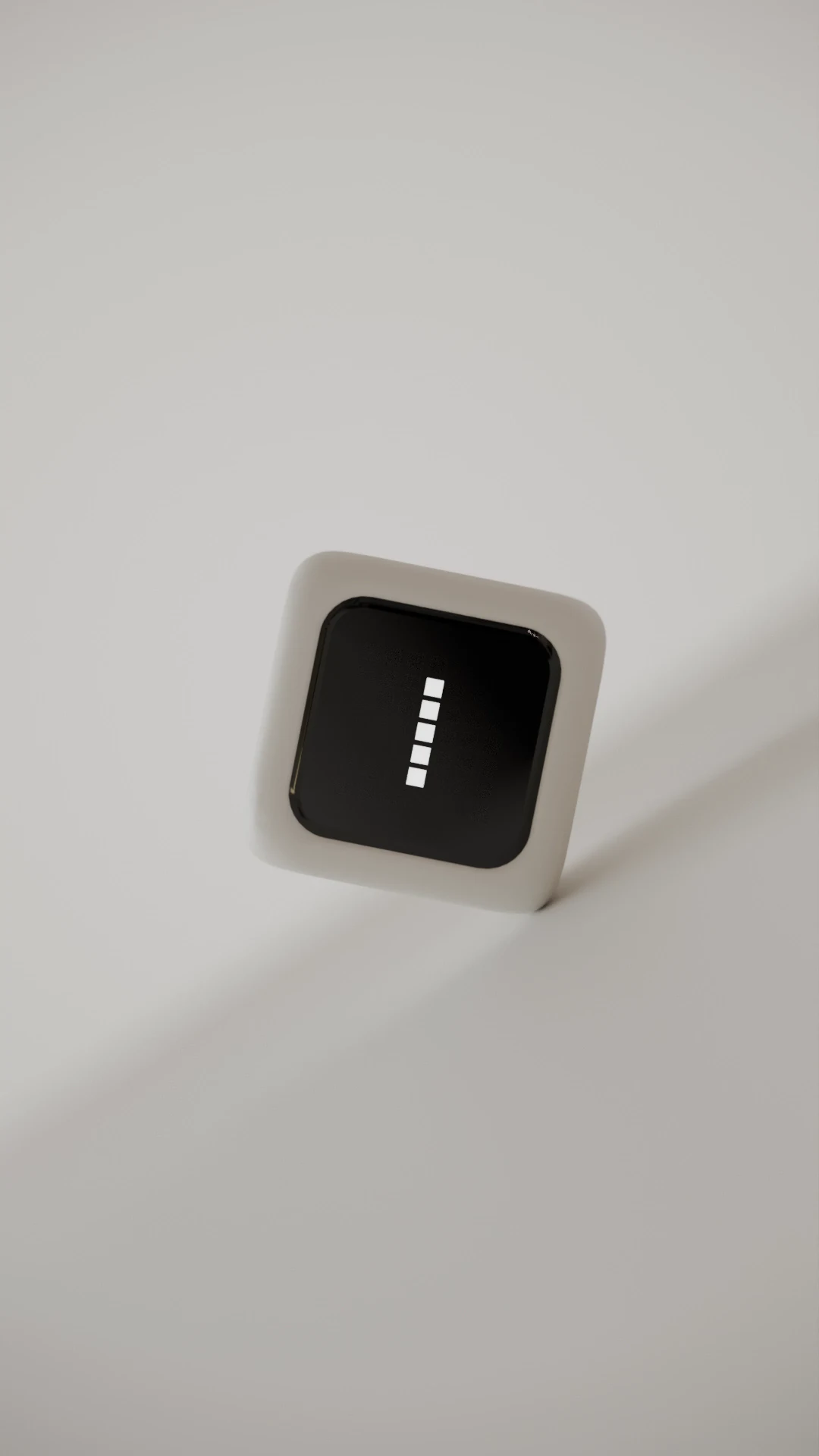
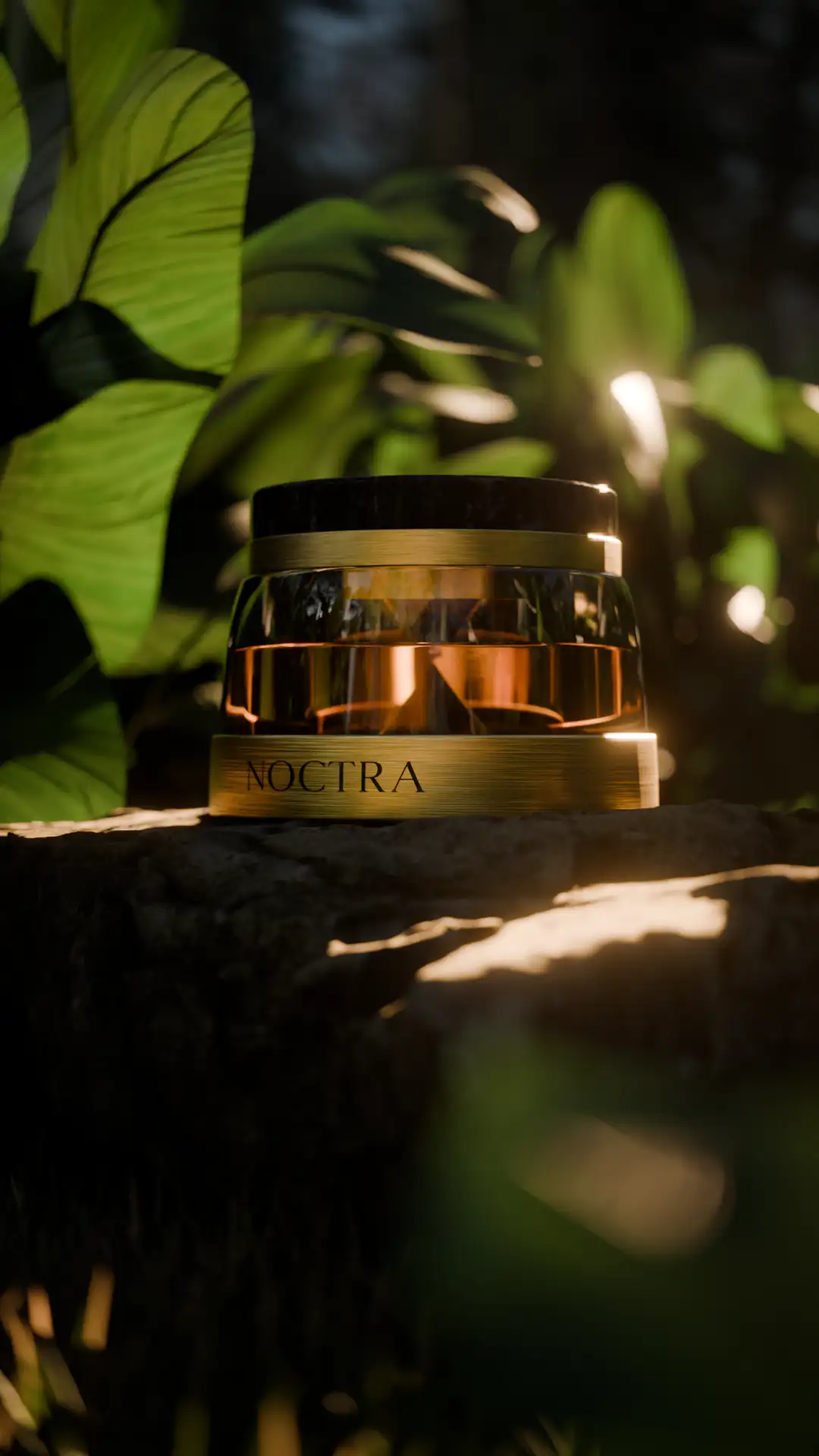
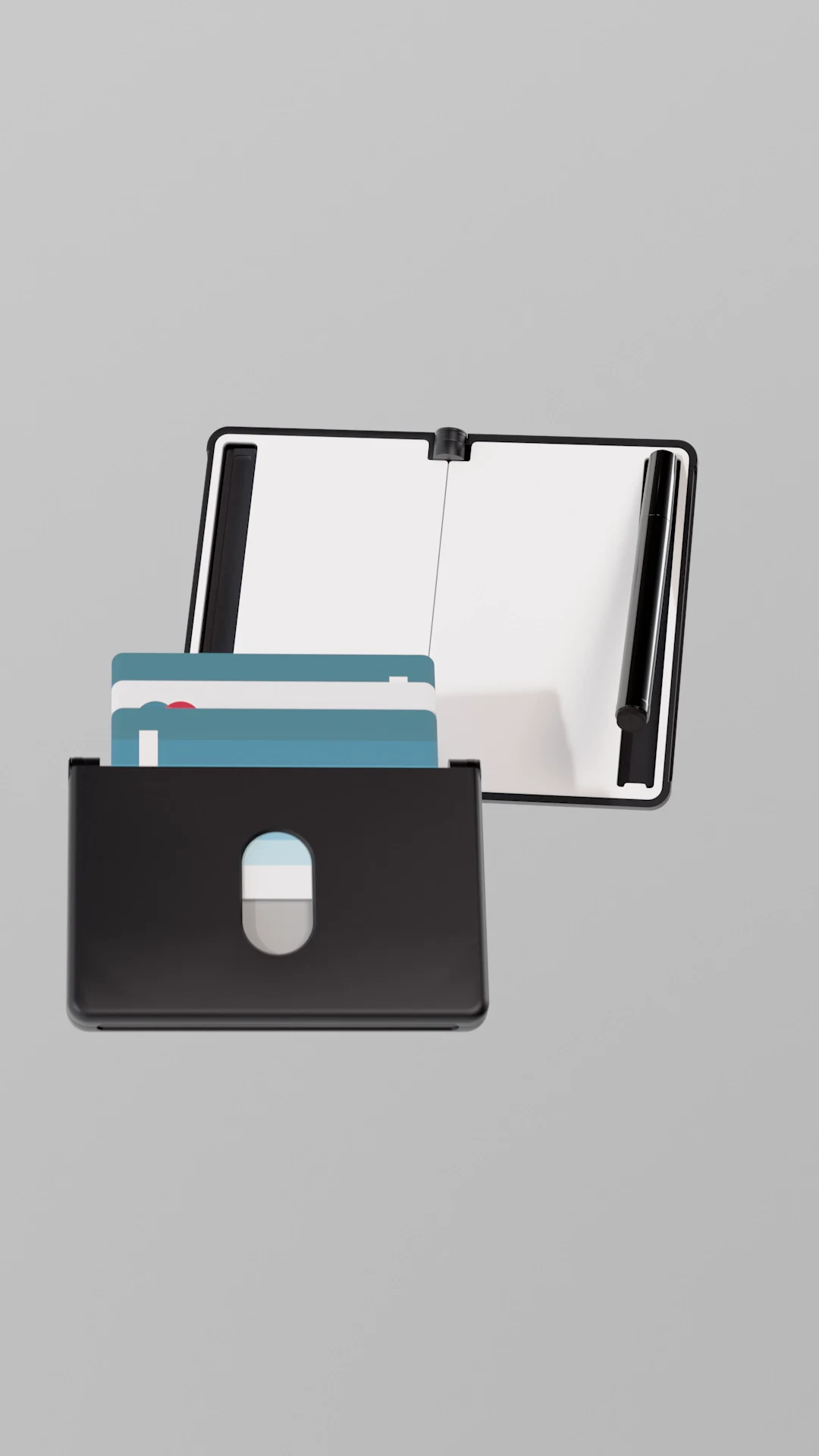
Photorealistic product visuals built to be used commercially.
Packshot renders
Clean, photoreal stills with calibrated lighting, controlled reflections and accurate material rendering for e-commerce, retail and marketing use.
Product scenes
Custom CGI environments with lighting, atmosphere and staging designed for launches, campaigns and premium brand communication.
Variants and SKU systems
Efficient generation of color, finish and size variants from one master scene with consistent staging across the full product range.
Composited and contextual visuals
Render-on-photo or fully CGI contextual imagery that places the product in a believable environment without losing control over light and detail.
A production system, not just a single image.
Product CGI is not only about replacing a shoot. It gives you a reusable scene that can generate multiple angles, formats, variants and campaign assets with far more control than a one-off studio session.
That matters when a product needs to live across e-commerce, social, paid media, launch assets and future updates. One calibrated 3D setup can support all of them.
CGI product photography, without the studio.
Most people who go looking for CGI product photography are not looking for a technology. They need product images that a studio cannot deliver in time, in budget or in the number of variants required. The product may still be in CAD. The packaging artwork may change next week. The campaign may need twelve versions of a shot that a photographer would have to build twelve times.
That is where a rendered product image replaces a photographed one. The result is not a compromise: a calibrated 3D scene gives you control over reflections, edges, material behaviour and depth of field that a physical set only reaches with a great deal of time and money.
A product and its packaging can be built entirely in CGI before anything is printed or produced. See the FALZ case.
Weighing up whether to hire an agency instead? Agency or freelancer, what actually fits.
Where photography still wins, I will say so. The full comparison of CGI and product photography covers the cases where a shoot remains the better route.
The product images a launch actually needs.
A launch rarely needs one picture. It needs a set, and each type has a different job. All of them come out of the same scene.
Packshots
Clean product shots on white or transparent backgrounds for shops, retailers and marketplaces. Consistent scale, consistent light, consistent across the whole range.
Editorial product CGI
Composed images with atmosphere, surface and shadow, built for brand pages, press and social rather than for a product grid.
Packaging renders
Artwork applied to the actual structure, including foil, spot varnish, embossing and die-cut, so a carton reads as printed rather than as a flat texture.
Contextual and lifestyle visuals
The product placed in a believable setting, either fully rendered or composited onto a photograph, without losing control over light and detail.
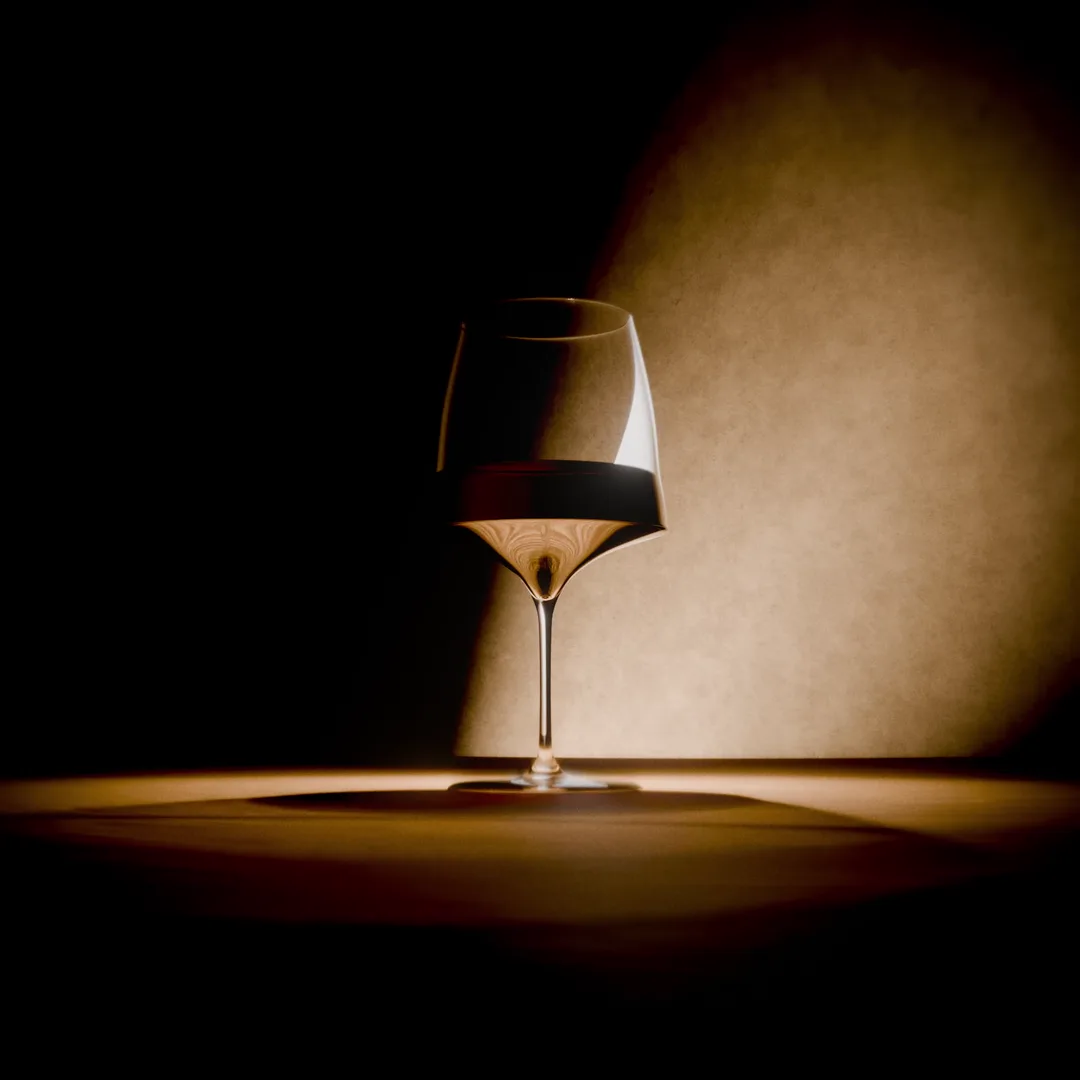
One scene, every format.
Flexible outputs for 1:1, 4:5, 9:16 and 16:9 placements, adapted from the same scene without compromising quality.
- 1:1Marketplaces and feeds
- 4:5Social feeds
- 9:16Stories, Reels, TikTok
- 16:9Web, video, presentations
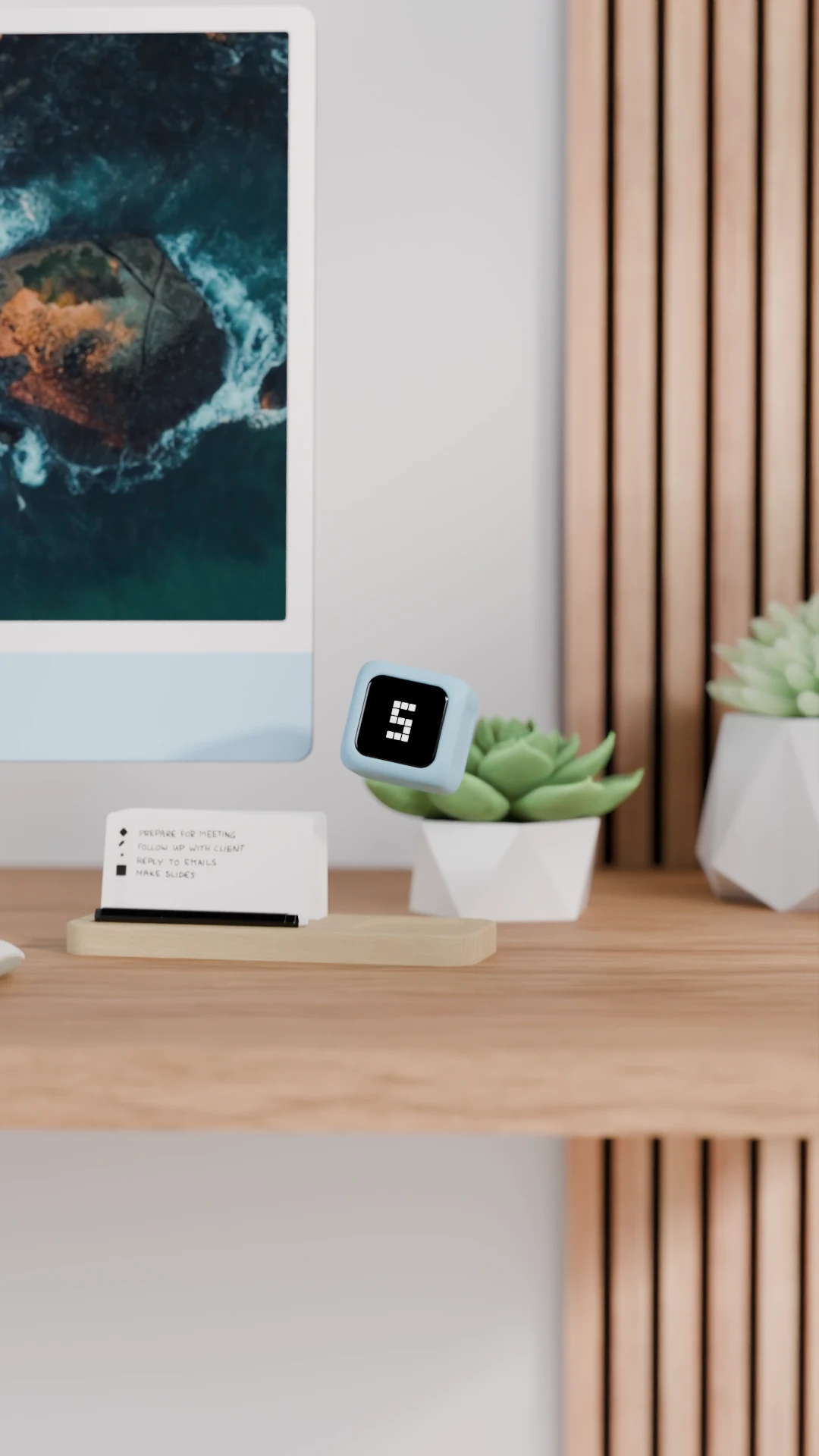
Built for the moments your product needs to look precise, premium and ready.
E-commerce and retail
Consistent, high-resolution stills for product pages, retailers, Amazon listings and structured SKU systems.
Brand and campaign launches
Hero visuals for product launches, paid media, launch pages, packaging reveals and premium campaign assets.
Pitch, press and pre-launch assets
Photoreal CGI for decks, investor materials, press assets and launch communication before physical samples are ready.
Social and paid creative
Flexible outputs for 1:1, 4:5, 9:16 and 16:9 placements, adapted from the same scene without compromising quality.
Selected work that shows what CGI can do
All work
Zone
Product animation for the ZONE timer, a product that received the iF Design Award 2025.
Noctra
Concept. Cinematic product visualization where light, glass, vapor and material detail build a calm, premium brand atmosphere.
Refraction
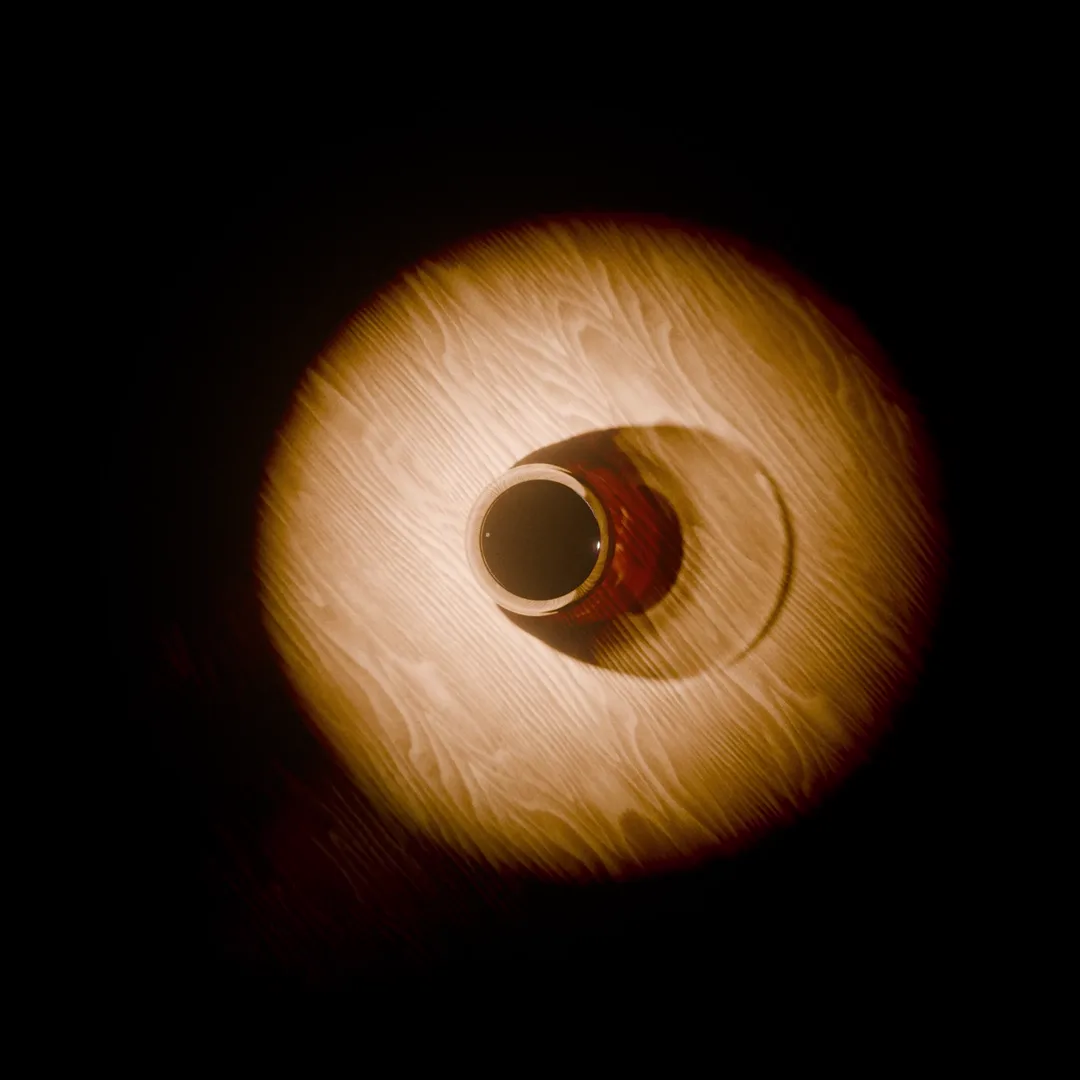
Personal study in light and glass, from one scene to a 26-second film.
From CAD, photos or sketch to final delivery.
Briefing
We define goals, usage, references and visual direction before production begins.
3D modeling
I prepare or rebuild the product from CAD, technical references or product photography.
Materials
Shaders, textures, reflections and surface behavior are calibrated to hold up in stills and close-ups.
Lighting and staging
Studio lighting, scene design and composition are built around the product and intended output.
Preview and feedback
You receive previews for review. Two feedback rounds are included in standard projects.
Final assets
Final stills are delivered in the agreed formats, resolutions and aspect ratios, ready for production use.
Common questions about CGI product rendering
I build or prepare products digitally, develop accurate materials, lighting and cameras, and deliver photorealistic product visuals for e-commerce, campaigns, launches and paid media.
CGI becomes especially useful when a brand needs multiple variants, formats, scenes or launch assets from one controlled setup, or when the product is not physically available yet.
CAD data such as STEP, OBJ, FBX or IGES is ideal. If no CAD exists, high-quality product photos, dimensions, technical drawings and visual references can also work.
Every project is quoted individually, based on scope, complexity, usage rights and the number of final assets. A single hero rendering sits well below a campaign system with multiple stills and formats, a motion project above it. For a firm quote I need the product, the intended use and your timeline. See project sizes.
In practice, yes. The term describes product images produced in 3D rather than with a camera. It has become common because the result is meant to sit next to photography and be indistinguishable from it, not to look like a render.
Yes, and for most brands that is the actual requirement. I match light direction, colour temperature, background treatment and perspective to your existing library so new product images sit alongside the old ones without a visible break.
Stills up to 4K as standard, higher on request for print. Delivered in the aspect ratios you need, typically 1:1, 4:5, 9:16 and 16:9, plus transparent PNG or TIFF for packshots that have to sit on different backgrounds.
Yes. I work as an external 3D production partner for branding, packaging and creative agencies that need consistent product visuals without an in-house CGI team.
It depends on the scope. An agency makes sense when strategy, copy, media and production need to come from one team. For CGI production, you can work directly with the person creating the renders. The detailed comparison covers both options.
What a client says
“Niklas created excellent renders for our company. Communication was perfect and the result matched exactly what I had in mind. He genuinely cares about quality. Highly recommended.”